
Welcome to Southwest Florida living! If you just bought your first home in Cape Coral with a septic system, congratulations. You’re now part of the majority here, since most of our area relies on septic tanks instead of city sewer. Here’s the thing though: that septic system sitting underground in your yard? It’s one of the most important parts of your property, and it needs a little respect.
We see new homeowners make the same mistakes over and over, and honestly, most of them are totally avoidable. A few simple habits can save you thousands of dollars and a whole lot of stress down the road. Let’s talk about the most common septic slip-ups we see so you can skip the learning curve and keep your system running smoothly from day one.
Treating Your Septic Like City Sewer
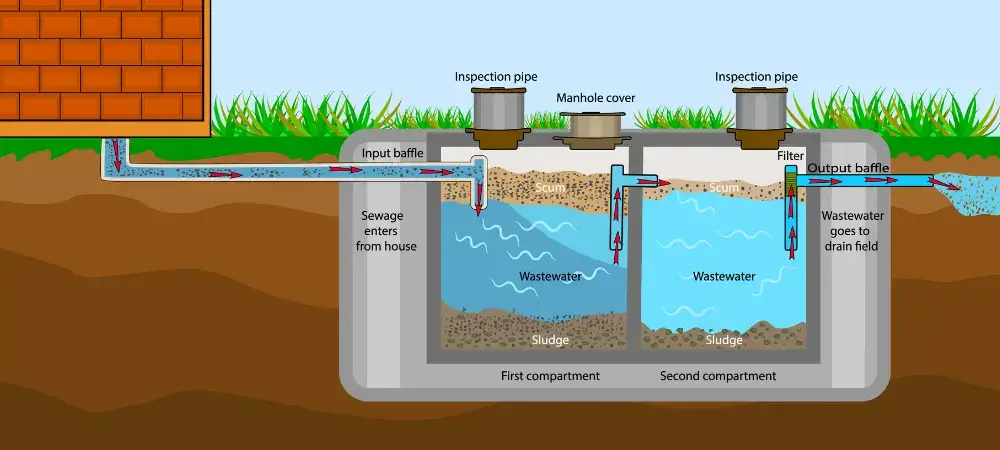
This is the big one. If you moved here from a place with city sewer, you might be used to flushing or draining just about anything. That stops now. Your septic system is a living, breathing ecosystem with bacteria that break down waste, and when you send the wrong stuff down there, you throw everything off balance.
We’re talking about “flushable” wipes (they’re not actually flushable), feminine hygiene products, paper towels, cat litter, grease, coffee grounds, and harsh chemical cleaners. Even too much bleach can kill the good bacteria your tank needs to function.And that garbage disposal? Use it sparingly. Food waste adds up fast and fills your tank quicker than you’d think.
The rule is simple: if it’s not human waste or toilet paper, it doesn’t belong in your septic system. Treat it right, and it’ll treat you right.
Skipping Regular Pumping
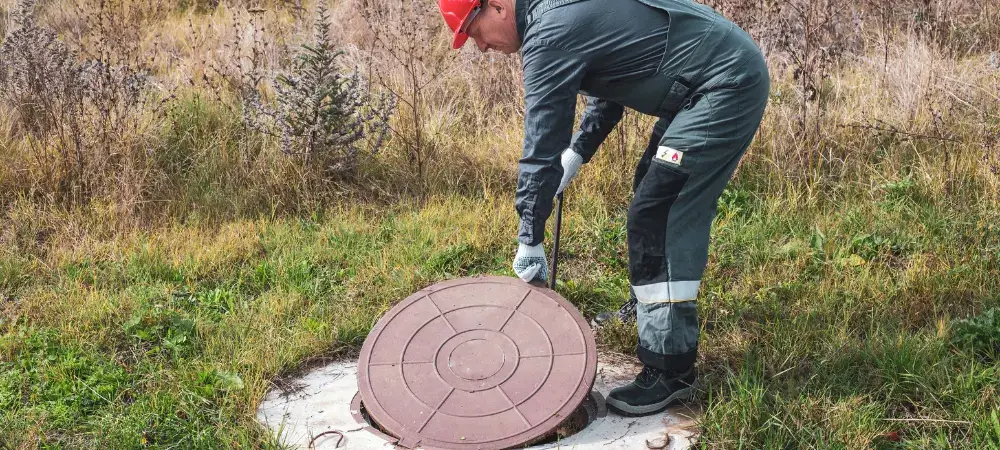
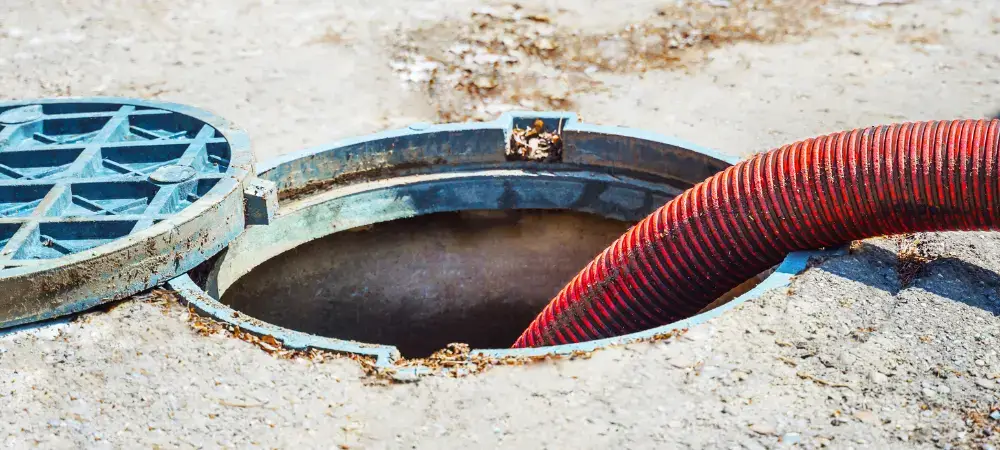
Out of sight, out of mind, right? Wrong. Just because your septic tank is buried in your yard doesn’t mean you can forget about it. Most septic tanks in Cape Coral need pumping every three to five years, depending on your household size and water usage.
Skip it, and you’re asking for trouble. Solids build up, your tank fills beyond capacity, and suddenly you’ve got sewage backing up into your home or surfacing in your yard. Not exactly the Florida dream. The worst part? By the time you notice something’s wrong, you’re usually looking at a much bigger bill than a simple pump-out would’ve cost.
Think of regular pumping like changing the oil in your car. It’s basic maintenance that keeps everything running smoothly and prevents catastrophic failure. Get on a schedule now, stick to it, and you’ll save yourself a nightmare later. We can help you figure out the right timeline for your specific setup.
Ignoring Warning Signs
Your septic system will tell you when something’s wrong, but you’ve got to pay attention. Slow drains, gurgling toilets, sewage odors in your yard or home, patches of extra green grass, or standing water near your drainfield are all red flags. New homeowners often brush these off, thinking it’s just an old house quirk or something that’ll fix itself. It won’t.
These warning signs mean your system is struggling, and the longer you wait, the worse it gets. A slow drain today could be a full system failure next month. The smart move is to call someone as soon as you notice anything off. Most of the time, catching it early means a simple fix instead of a major repair.
We’ve seen people ignore obvious signs for months, and by the time they finally call, they’re dealing with a failed drainfield or a completely backed-up system. Don’t be that person. Trust your gut, and if something seems wrong, get it checked out.
Going DIY on Major Issues
Look, we get it. YouTube makes everything look easy, and nobody wants to spend money if they don’t have to. There are definitely some septic tasks you can handle yourself, like being mindful of what goes down your drains or spreading out laundry loads throughout the week instead of doing them all in one day.
But when it comes to actual repairs, pumping, or inspections, this isn’t the place to get creative. Septic systems involve underground tanks, bacteria levels, drainfield functionality, and local health codes. One wrong move and you could contaminate your property, your neighbor’s well, or end up with a repair bill that’s five times what a professional service call would’ve cost.
Plus, here in Florida, there are regulations about who can work on septic systems and how waste needs to be disposed of. A licensed septic company has the right equipment, knows the local codes, and can spot problems you’d never see coming. Save the DIY energy for your landscaping. Leave your septic system to the pros.
Forgetting About Your Drainfield
Your drainfield is where the magic happens. It’s the part of your septic system that filters wastewater back into the ground, and it needs room to breathe. We see new homeowners park cars or RVs on it, plant trees or shrubs over it, or build sheds and patios right on top of it. Bad idea.
The weight from vehicles compacts the soil and can crush the pipes underneath. Tree roots seek out water and will invade your drainfield lines, causing expensive damage. And covering it with concrete or structures? That prevents oxygen from getting into the soil, which kills the natural filtration process. You also need to watch your water usage. Overloading your drainfield with too much water at once, like running multiple loads of laundry back to back or taking several long showers in a row, doesn’t give it time to absorb and process everything.
Know where your drainfield is, keep heavy objects off it, don’t plant anything with deep roots nearby, and spread out your water use throughout the day. Your drainfield works hard for you, so give it the space it needs to do its job.
Don’t Learn the Hard Way, We’re Here to Help
Moving into a home with a septic system doesn’t have to be intimidating. Most of these mistakes come from simply not knowing any better, and now you do. The good news is that with a little attention and basic maintenance, your septic system can run reliably for decades without giving you any headaches.
Here in Cape Coral, we’ve been helping homeowners keep their systems in top shape for years, and we’ve seen it all. Whether you need your first pump-out, a routine inspection, or you’re noticing something that doesn’t seem quite right, we’re just a phone call away. Our pricing is straightforward, our service is dependable, and we’ll never hit you with surprise charges.
Think of us as your local septic partner. We want your system to work as smoothly as you do, so you can focus on enjoying your new home instead of worrying about what’s happening underground. Give us a call, and let’s make sure your septic system is set up for success from the start.