A septic system that’s properly cared for can last 25 to 30 years, sometimes even longer. One that’s neglected? It can fail in half that time, and the cost of replacing or repairing a failed system is not something any homeowner wants to deal with.
The good news is that extending the life of your septic system doesn’t require a lot of effort or money. It mostly comes down to smart daily habits, staying on top of routine maintenance, and knowing when to call in a professional.
Here in Cape Coral, where septic systems are a way of life for most homeowners, these practices aren’t just recommended, they’re essential. Whether your system is brand new or has been in the ground for years, it’s never too late to start doing right by it. Let’s walk through the best practices that will keep your septic system running strong for decades to come.
Be Mindful of What Goes Down Your Drains
Your drains are the front door of your septic system, and what you let in matters more than most people realize. Every single thing that goes down your sinks, toilets, and drains ends up in your tank, and not everything belongs there.
The basics we’ve covered before still stand:
- no wipes
- no grease
- no paper towels
- no harsh chemical cleaners.
But it goes a little deeper than that. Cooking oils, even in small amounts, coat the inside of your pipes and build up over time. Medications flushed down the toilet disrupt the bacterial balance inside your tank. Excessive use of garbage disposals adds a surprising amount of solid waste that your system has to work harder to break down. Even certain laundry detergents can cause problems if they’re not septic safe.
The simplest way to think about it is this: your septic tank is not a trash can. It’s a carefully balanced system that relies on the right conditions to function properly. Build good drain habits from the start, stick to them consistently, and you’ll be amazed at how much longer and more reliably your system performs.
Stick to a Regular Pumping Schedule
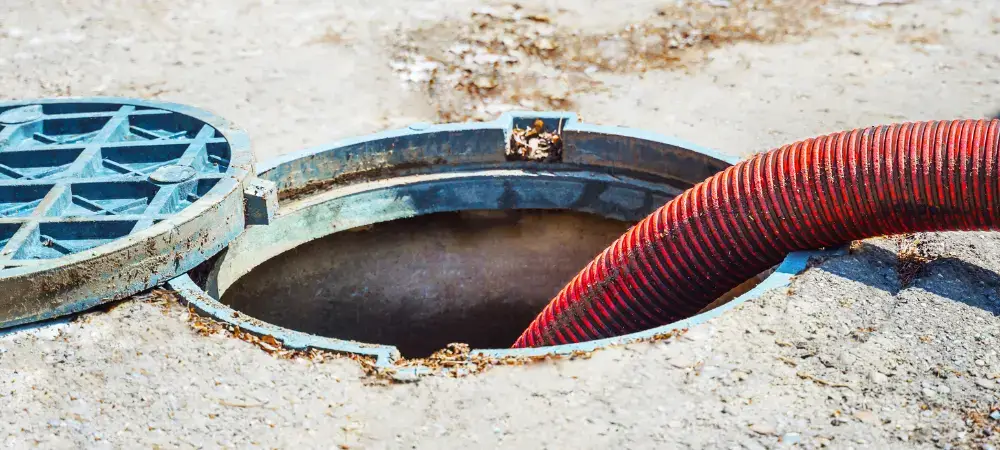
If there’s one thing on this list that makes the biggest difference, it’s this. Regular septic pumping in Cape Coral is the single most important maintenance task for your septic system, full stop.
No matter how careful you are about what goes down your drains, solids accumulate in your tank over time. That’s just how the system works. When those solids build up too much, they overflow into your drainfield and cause damage that’s far more expensive to fix than a routine pump-out ever would’ve been.
Most households in Cape Coral need their tanks pumped every three to five years, but that number can vary depending on how many people are in your home and how much water you use daily. A larger household or one with heavy water usage might need it closer to every two to three years. The best way to know for sure is to ask a professional who can assess your specific setup.
The key is to get on a schedule and stick to it without waiting for warning signs to show up first. By the time you notice something’s wrong, you’ve usually already waited too long. Regular pumping is cheap insurance against a very expensive problem.
Protect Your Drainfield Like It’s Worth Money, Because It Is
Replacing a failed drainfield can cost anywhere from several thousand to tens of thousands of dollars depending on the size of your property and the extent of the damage. That alone should be enough motivation to treat your drainfield with some serious respect.
The rules are straightforward but important. Never park vehicles, heavy equipment, or even trailers on or near your drainfield. The weight compacts the soil and can crush the pipes underneath, disrupting the entire filtration process.
Keep trees and large shrubs well away from the area. Tree roots are relentless and will find their way into your drainfield lines given enough time, causing blockages and breaks that are costly to repair. Stick to grass or shallow rooted ground cover over and around your drainfield, nothing more.
Avoid building any structures, patios, or hardscaping on top of it since your drainfield needs oxygen in the soil to function. Also make sure gutters and downspouts are directing water away from the area, not toward it. Excess surface water saturates the soil and prevents proper filtration.
Your drainfield works silently and invisibly every single day. Give it the space, protection, and respect it deserves and it will serve you well for a very long time.
Use Water Wisely
Water management is one of the most underrated aspects of septic system care. Every drop of water that goes down your drains ends up in your tank and eventually your drainfield.
When too much water enters the system too quickly, it doesn’t give the tank enough time to separate solids properly, and it overwhelms the drainfield’s ability to absorb and filter everything at a healthy pace.
The fix isn’t complicated, it’s mostly about spreading things out. Instead of running multiple loads of laundry back to back, space them out throughout the day or across several days. Take shorter showers during periods of heavy household activity. Run your dishwasher during off-peak hours rather than right after everyone’s showered and done laundry. Fix leaky faucets and running toilets immediately, because a toilet that runs constantly can add hundreds of gallons of unnecessary water to your system every single day without you even noticing. Installing water efficient fixtures and appliances is another smart move that pays off over time. Low flow toilets and showerheads reduce the volume of water hitting your system daily without any real sacrifice in comfort.
Small adjustments in how your household uses water add up to a significantly healthier and longer lasting septic system.
Get Professional Inspections Done Regularly
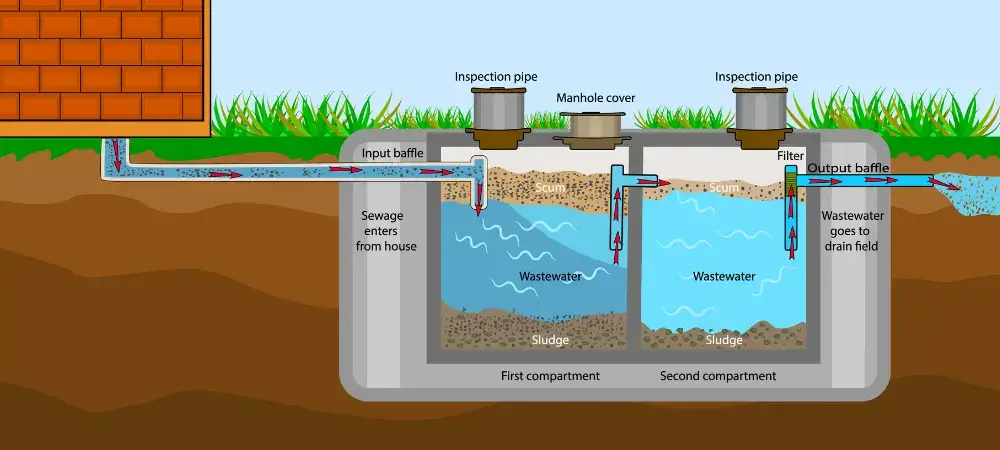
Smart daily habits and regular pumping will take you a long way, but nothing replaces a professional inspection. A trained septic technician can see things you simply can’t. They check the condition of your inlet and outlet baffles, assess the sludge and scum levels in your tank, inspect your distribution box for cracks or shifting, and evaluate how your drainfield is performing. These are components that don’t give obvious warning signs until they’ve already caused serious damage. Catching a deteriorating baffle or a slightly shifted distribution box early is the difference between a minor repair and a major overhaul.
We recommend getting a professional inspection every one to three years depending on the age of your system and your household usage. Older systems benefit from more frequent checkups, and if you’ve recently purchased a home, getting an inspection done right away is always a smart first step so you know exactly what you’re working with. Don’t wait for slow drains or backyard odors to prompt a call. By then the problem has already taken hold.
Stay ahead of it, invest in regular inspections, and give us a call to schedule yours today. We’ll give you a full picture of your system’s health and a transparent quote with no surprises.
Your Septic System Is an Investment, Treat It Like One
Taking care of your septic system doesn’t have to be complicated or expensive. As you’ve seen throughout this article, most of it comes down to consistent habits, a little awareness, and staying on top of routine maintenance before small issues become big ones. A well maintained septic system runs quietly in the background for decades, never demanding much attention as long as you give it the basic care it needs. Neglect it, and it will eventually make itself impossible to ignore, usually at the worst possible time and at a significant cost.
Here in Cape Coral, we’re proud to be the local team that homeowners trust to keep their systems in top shape year after year. Whether you’re due for a pump-out, want a professional inspection, or simply have questions about your system, we’re here to help with straightforward service and honest pricing. No surprises, no runaround, just dependable septic care from a team that knows this community.
Give us a call today or ask for a quote. Let’s make sure your septic system gets the attention it deserves so it keeps working hard for you for many years to come.