
Your septic tank system is one of the hardest working parts of your home, and most homeowners never give it a second thought until something goes wrong. That’s understandable, but a little knowledge goes a long way. When you understand what’s actually happening underground, you’re better equipped to catch warning signs early, avoid habits that cause damage, and make smarter decisions about maintenance.
Here in Cape Coral, septic systems are the norm, not the exception, so knowing your system isn’t just helpful, it’s part of being a responsible homeowner. You don’t need to become an expert overnight. You just need the basics. Let’s walk through the main components of a typical septic system in plain, straightforward language so you always know what you’re working with.
The Septic Tank
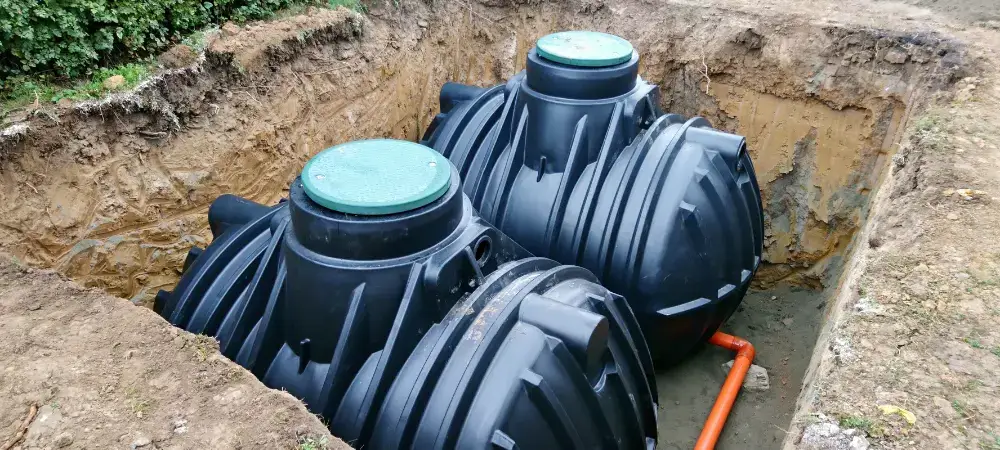
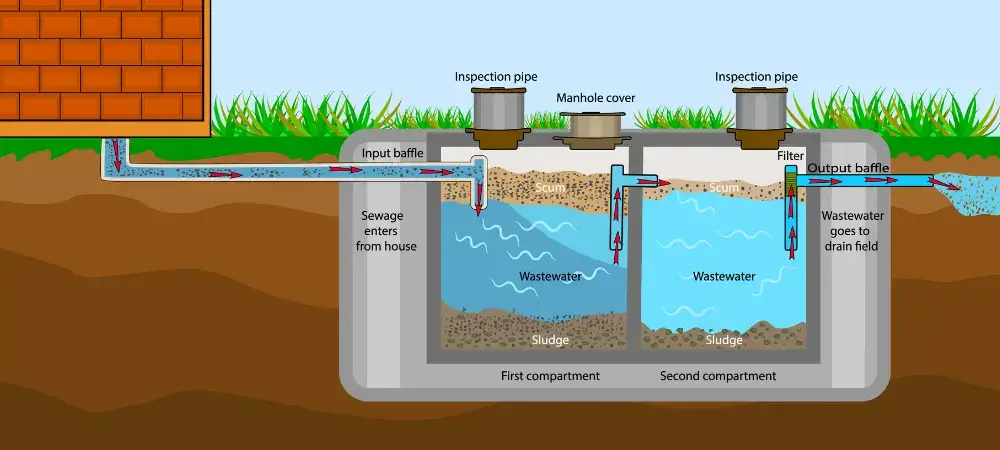
The septic tank is the heart of your system. It’s a large, watertight container buried in your yard, typically made of concrete, fiberglass, or polyethylene, and it’s where all the wastewater from your home flows first. Toilets, sinks, showers, washing machines, everything goes here.
Once inside the tank, the waste separates into three layers. Solids sink to the bottom and form what’s called sludge. Grease and lighter materials float to the top and create a scum layer. The liquid in the middle, known as effluent, is what eventually moves on to the next stage of the process.
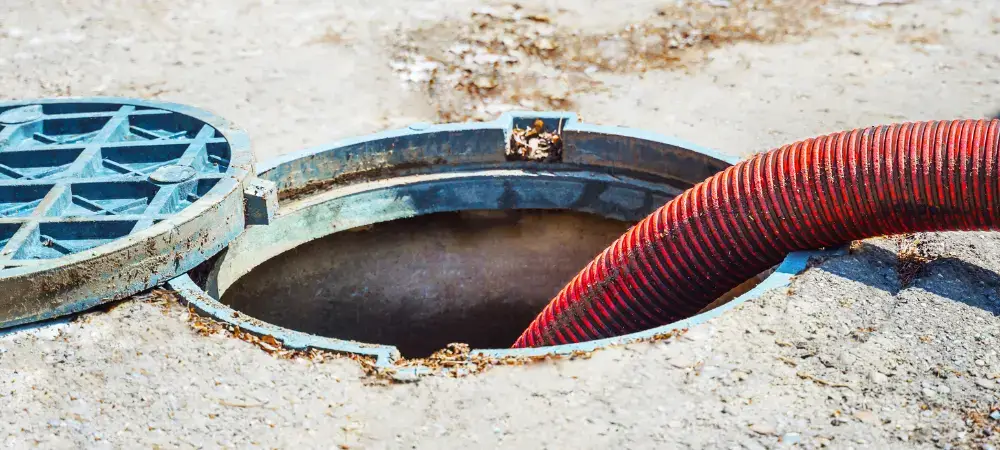
The tank holds everything long enough for the solids to break down partially through natural bacterial activity. Over time though, the sludge and scum layers build up, and that’s exactly why regular pumping is so important.
A typical tank in Cape Coral needs to be pumped every three to five years depending on household size and usage. Neglect that, and the solids start overflowing into your drainfield, which is where things get really expensive.
The Drainfield
If the septic tank is the heart of your system, the drainfield is the lungs. Also called a leach field, it’s the area of your yard where treated wastewater, the effluent from your tank, gets distributed into the soil for final filtration. It typically consists of a network of perforated pipes buried in trenches filled with gravel or sand. The effluent slowly seeps out of those pipes, filters through the soil, and eventually rejoins the groundwater supply naturally cleaned by the earth itself. It’s a remarkably simple process when everything is working as it should.
The drainfield needs healthy, uncompacted soil and good drainage to function properly, which is why we stress so often about keeping vehicles off it, avoiding deep rooted plants nearby, and not overloading it with water.
A healthy drainfield is quiet and invisible. You shouldn’t see standing water, smell odors, or notice unusually green patches of grass above it. When you do, that’s your drainfield telling you it’s struggling. Replacing a failed drainfield is one of the most expensive repairs a homeowner can face, so protecting it from day one is always the smart play.
Pipes and Distribution Box
Connecting your home to the tank, and the tank to the drainfield, is a network of pipes that keep everything flowing in the right direction. The inlet pipe brings wastewater from your house into the septic tank, and the outlet pipe carries the effluent out toward the drainfield. Simple enough.
But there’s another component that plays an important role in the middle of all this, the distribution box, sometimes called a D-box. Its job is to evenly distribute the effluent coming out of your tank across all the drainfield lines.
Think of it as a traffic controller making sure no single drainfield line gets overloaded while others sit underused. When a distribution box gets cracked, shifted, or clogged, the effluent stops distributing evenly and certain sections of your drainfield take on more than they can handle. Over time that causes premature drainfield failure. It’s a small component that homeowners rarely think about, but it plays a bigger role than most people realize.
During a professional inspection, checking the condition and levelness of the distribution box is always part of the process, and it’s one of those things that can save you a significant amount of money if a problem is caught early.
Bacteria: The Unsung Hero of Your Septic System
Here’s something that surprises a lot of homeowners: your septic system is alive. Inside your tank lives a community of naturally occurring bacteria that break down the solid waste coming in from your home. Without them, your tank would fill up far faster and the whole system would stop functioning the way it’s supposed to. These bacteria work around the clock, quietly doing their job as long as you give them the right environment to thrive.
The problem is that certain household products can wipe them out. Antibacterial soaps, harsh chemical drain cleaners, excessive bleach, and even some medications that pass through your system can disrupt or kill off the bacterial balance in your tank. Once that balance is thrown off, waste stops breaking down efficiently and your tank fills up faster than normal.
The fix is simple: be mindful of what goes down your drains and stick to septic safe products where possible. Some homeowners also use bacterial additives to give their system a boost, though a well maintained tank with healthy habits usually takes care of itself naturally. Respect the bacteria, and they’ll keep your system running the way it should.
When to Call a Professional
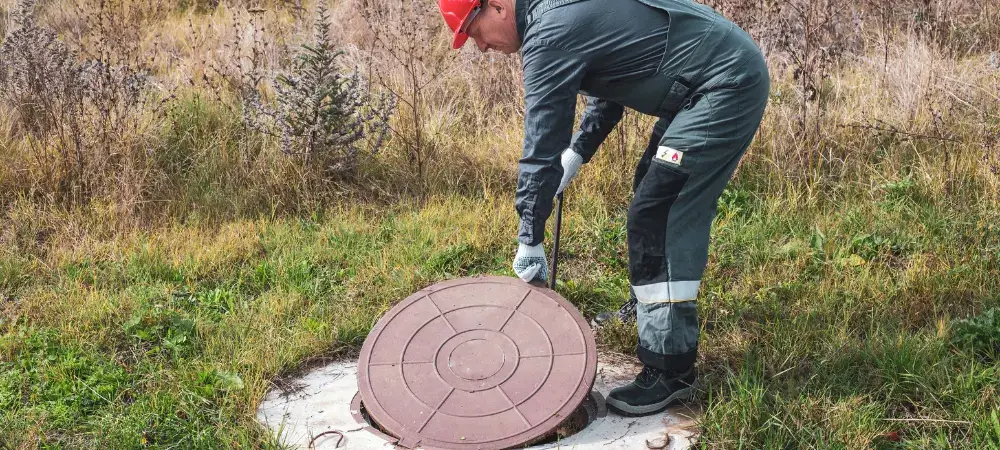
Understanding your septic system is empowering, but there’s a clear line between being an informed homeowner and trying to handle things yourself. Routine pumping, inspections, repairs, and anything involving opening your tank or working on your drainfield should always be handled by a licensed professional.
Here in Florida, there are strict regulations around septic work, and for good reason. These systems deal with wastewater that can contaminate soil, groundwater, and neighboring properties if handled incorrectly. Beyond the legal side of things, a trained eye catches problems that most homeowners would never notice. A small crack in your distribution box, an inlet baffle that’s deteriorating, or early signs of drainfield stress are all things that show up during a professional inspection before they turn into major repairs.
If your tank hasn’t been pumped in the last three to five years, if you’re noticing any warning signs around your yard or inside your home, or if you simply want peace of mind knowing your system is in good shape, now is the time to act. Give us a call today or ask for a quote. Our pricing is transparent, our service is dependable, and we’re right here in Cape Coral ready to help you protect one of the most important investments in your home.