
No matter how well you take care of your septic system, problems can still pop up from time to time. Sometimes it’s from normal wear and tear, sometimes it’s from something that happened years ago finally catching up, and sometimes it’s just bad luck. The important thing is knowing what the common issues look like, what causes them, and how they’re actually fixed.
When you understand the problem, you’re less likely to panic and more likely to make smart decisions about getting it resolved quickly. We’ve seen just about every septic issue in Cape Coral you can imagine, and the good news is that most of them are fixable when caught early.
Let’s walk through the most common septic problems homeowners deal with and what it takes to get them back on track.
Septic Tank Backup
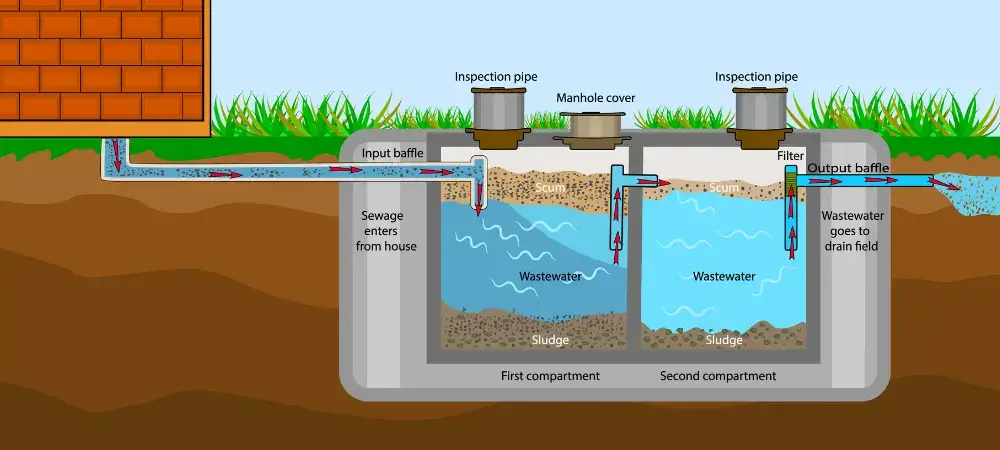
This is the big one that nobody wants to deal with. Sewage backing up into your home through toilets, drains, or showers is not only disgusting, it’s a health hazard. The most common cause is a tank that’s overdue for pumping. When solids build up too high, there’s nowhere for new wastewater to go, so it comes back the way it came in.
Another culprit can be a clogged pipe between your house and the tank, or a failed inlet baffle inside the tank itself. The fix depends on what’s causing it. If it’s simply a full tank, pumping it out solves the problem immediately. If there’s a clog in the line, we can locate it and clear it with professional equipment.
A damaged baffle might need repair or replacement, which is a straightforward job for a licensed technician. The key is acting fast. A backup isn’t something you can ignore or put off. The longer wastewater sits in your home, the more damage it causes and the bigger the cleanup bill becomes. Call a professional as soon as you notice the first sign of backup, don’t wait for it to get worse.
Slow Drains Throughout the House
If one drain is slow, that’s usually a localized clog in that specific pipe. But when multiple drains throughout your house are sluggish at the same time, that points to a septic system issue. It means wastewater isn’t moving through your system the way it should, and pressure is building up.
This can happen when your tank is getting full and needs septic pumping, when there’s a partial blockage in the main line leading to the tank, or when your drainfield is saturated and can’t absorb any more water. The fix starts with diagnosing where the bottleneck is happening. A professional inspection can quickly pinpoint whether it’s a tank issue, a pipe problem, or drainfield trouble.
If the tank just needs pumping, that clears things up right away. If there’s a blockage in the line, we can snake it out or use a camera to locate the problem and clear it. Drainfield saturation is trickier and might require reducing water usage temporarily while the ground dries out, or in more serious cases, drainfield repair or replacement. The important thing is not to ignore slow drains and assume they’ll fix themselves. They won’t. They’re a warning sign that your system is struggling, and catching it early keeps a manageable issue from turning into a full blown emergency.
Foul Odors in Your Yard or Home
If you’re smelling sewage anywhere near your house or in your yard, that’s your septic system waving a red flag. Odors inside the home usually mean there’s a venting issue, a dry drain trap, or in worst cases, a backup starting to develop. Smells outside, especially near your tank or drainfield, often point to a full tank, a leak, or a drainfield that’s failing and pushing wastewater too close to the surface.
Sometimes it’s as simple as a compromised seal on your tank’s access lid allowing gases to escape. Other times it means effluent isn’t being absorbed properly by the drainfield and is pooling where it shouldn’t be. The fix depends entirely on the source. A full tank gets pumped. A broken seal or lid gets replaced. Drainfield odors require a closer look to determine if it’s overloaded, saturated from heavy rain, or actually failing.
Temporary drainfield odors after a big storm can sometimes clear up on their own once the ground dries out. Persistent smells mean there’s a real problem that needs professional attention. Don’t mask the odor and hope it goes away. Sewage smells are never normal, and they’re your system’s way of telling you something needs to be addressed now before it gets worse.
Standing Water or Soggy Spots Near the Drainfield
Your drainfield should be dry and relatively invisible most of the time. If you’re seeing standing water, soggy patches, or unusually lush green grass in that area, it means effluent is surfacing instead of being absorbed and filtered through the soil like it’s supposed to. This can happen for a few reasons. Your tank might be so full that solids are overflowing into the drainfield and clogging the pipes.
Heavy rains can temporarily saturate the soil and prevent proper absorption, which sometimes clears up on its own once things dry out. But persistent wet spots usually mean the drainfield is compacted, damaged, or genuinely failing. Tree roots invading the lines, years of vehicle traffic compacting the soil, or just age and wear can all lead to drainfield failure over time.
The fix ranges from relatively simple to expensive depending on the cause. If it’s just a full tank pushing solids where they don’t belong, pumping and possibly cleaning the drainfield lines can solve it. If the drainfield itself has failed, you’re looking at repair or replacement, which is one of the more significant expenses a septic system owner can face. That’s exactly why protecting your drainfield from day one and catching problems early matters so much. The sooner you address wet spots, the better your chances of avoiding a full replacement.
Don’t Wait for Problems to Get Worse, We’re Here to Help
Septic problems rarely fix themselves, and waiting almost always makes things more complicated and more expensive. The good news is that most issues are manageable when you catch them early and call in a professional who knows what they’re doing. Whether you’re dealing with a backup, slow drains, strange odors, or wet spots in your yard, we’ve seen it all and we know how to fix it.
We’re the local team homeowners trust when their septic system isn’t acting right. We’ll diagnose the problem honestly, explain what needs to happen in plain language, and give you transparent pricing with no surprises or hidden fees. If it’s a simple fix, we’ll tell you. If it’s more involved, we’ll walk you through your options so you can make the best decision for your property and your budget.
Don’t let a small issue turn into a disaster. Give us a call today and let’s get your system back to running the way it should. We’re here to help, and we’re just a phone call away.