
If you own a home with a septic tank, you know it quietly does its job underground. Out of sight and often out of mind. But ignoring it can lead to a disaster you definitely do not want to deal with: overflowing toilets, soggy yards, or even expensive repairs that could have been avoided. One of the most common questions homeowners ask is simple: how often should you actually pump your septic tank?
The answer isn’t one-size-fits-all. It depends on your household size, water usage, tank capacity, and even the type of soil around your home. In this guide, we’ll break it down, show you the warning signs, and give practical tips so your septic system stays trouble-free for years to come.
Why Regular Septic Pumping Is Essential?
Regular septic pumping isn’t just a chore. It’s a critical part of protecting your home and your wallet. Over time, solids build up in your tank, and if they aren’t removed, they can overflow into your drain field. That’s when small problems turn into major headaches: slow drains, foul odors, and even sewage backing up into your home.
Pumping your septic tank on a consistent schedule keeps everything flowing smoothly, extends the life of the system, and prevents expensive repairs that can easily run into thousands of dollars. It’s also better for the environment. Untreated wastewater can seep into the soil and contaminate groundwater, putting local lakes, canals, and even your yard at risk.
Think of septic pumping as preventive care for your home. Like changing the oil in your car. A little routine attention now saves big trouble later.
Signs Your Septic Tank Needs Pumping
Sometimes your septic tank will give you clues long before disaster strikes, but you have to know what to look for. Key signs include:
- Slow drains: Sinks, showers, or toilets that drain sluggishly can indicate a full tank.
- Gurgling sounds: Toilets or pipes that bubble or make unusual noises when flushing.
- Soggy patches or unusually green grass: Over the drain field, this may signal leaking effluent.
- Strong odors: Foul smells near the tank access point or in your yard are a red flag.
- Unexplained water meter spikes: Sudden increases in water usage could mean your tank is struggling to handle waste efficiently.
Catching these signs early allows you to schedule pumping before a minor issue becomes a major, costly mess.
Factors That Affect Pumping Frequency
How often you need to pump your septic tank isn’t the same for every home. Several factors influence the timing, and understanding them helps you avoid surprises and expensive repairs.
Key factors that affect pumping frequency include:
- Household size: More people generate more wastewater, filling the tank faster.
- Water usage habits: Long showers, frequent laundry, and high-flow appliances can accelerate sludge buildup.
- Tank size: Smaller tanks reach capacity sooner, requiring more frequent pumping.
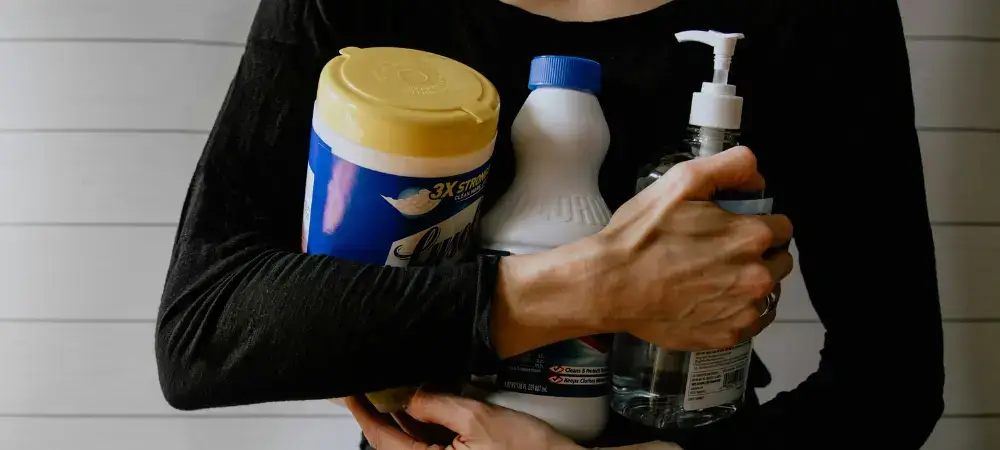
- Type of wastewater: Homes with garbage disposals or heavy use of chemical cleaners may produce more solids or reduce bacterial activity, affecting efficiency.
- Soil and drain field conditions: Poorly draining soil or a compacted drain field can impact how quickly the system handles wastewater.
Unique tip: Keep a simple log of family size, water usage, and appliance upgrades to predict when your tank will likely need pumping. This proactive tracking can save money and headaches.
What Happens If You Skip Pumping?
Skipping septic tank pumping in Cape Coral FL might seem like saving time or money, but it can quickly turn into a homeowner’s nightmare. Once your tank overflows, the consequences can be messy, costly, and stressful.
Potential issues from ignoring pumping include:
- Backups in your home: Toilets, sinks, and showers can overflow with raw sewage.
- Drain field failure: Solids can clog the soil absorption area, leading to expensive repairs or complete replacement.
- Foul odors in your yard: Leaking wastewater can create strong, unpleasant smells around your home.
- Environmental hazards: Untreated effluent can contaminate soil, groundwater, and nearby waterways.
- Decreased property value: A neglected septic system can make your home harder to sell and reduce its value.
Unique tip: Don’t wait until a visible problem appears. Set a reminder to check your system regularly and schedule pumping proactively. A little preventive care now can save thousands later.
Tips for Scheduling and Maintaining Your Septic Tank
Keeping your septic tank in top shape doesn’t have to be complicated, but it does require attention and a proactive approach. Regular maintenance ensures your system works efficiently, prevents costly repairs, and keeps your home safe and odor-free.
Key tips for maintaining your septic tank:
- Schedule regular pumping: Typically every 3 to 5 years, but adjust based on household size and water usage.
- Monitor water usage: Avoid excessive flows from long showers, laundry, or running multiple appliances at once.
- Limit harmful chemicals: Harsh cleaners can kill beneficial bacteria needed to break down solids.
- Protect the drain field: Avoid parking, heavy landscaping, or planting deep-rooted trees above it.
- Keep records: Track pumping dates, inspections, and repairs to stay ahead of problems.
For reliable septic tank pumping in Cape Coral FL, contact a local professional today to schedule service and protect your home before issues arise.