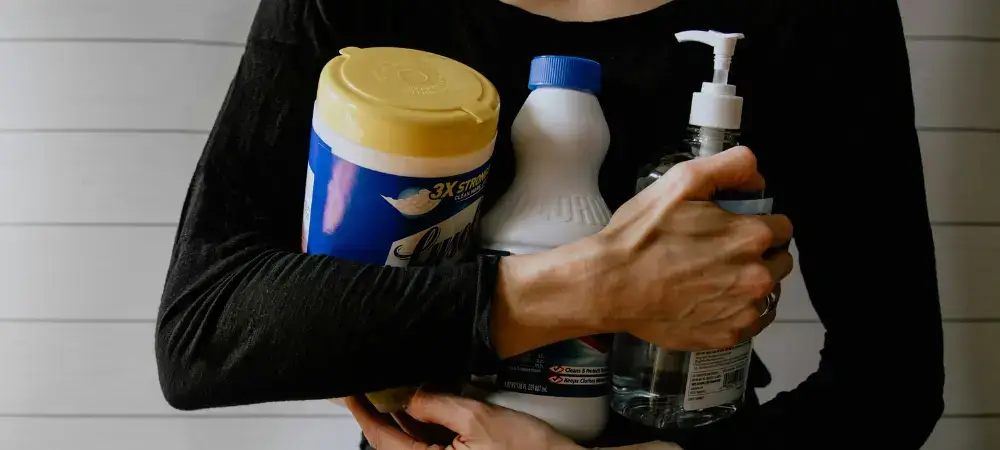
Let’s be honest, nobody in Cape Coral is thinking about their septic tank when they’re scrubbing the bathroom or doing laundry. You grab whatever cleaner gets the job done and move on with your day. But here’s something worth knowing: some of those products you’re using are quietly messing with the bacteria in your septic tank that keep everything running smoothly.
Kill off enough of that bacteria with harsh chemicals, and suddenly you’ve got a system that’s not breaking down waste the way it should. That leads to problems nobody wants to deal with. The good news? You don’t have to choose between a clean house and a healthy septic system.
There are plenty of products that work just fine without causing issues underground. Let’s talk about what’s safe, what’s not, and how you can keep your home spotless without accidentally sabotaging your septic system in the process.
What Makes a Product Septic-Safe?
A septic-safe product is one that breaks down naturally, doesn’t kill the beneficial bacteria in your tank, and won’t create buildup or clogs in your system. That’s really all it comes down to. The bacteria living in your septic tank are what digest and break down the solid waste, and they’re surprisingly tough unless you hit them with the wrong chemicals.
Products labeled as biodegradable, phosphate-free, or septic-safe are usually your best bet because they’re designed to break down without disrupting that bacterial ecosystem. You want cleaners that rinse away cleanly and don’t leave behind residues that accumulate over time. Avoid anything with heavy antibacterial agents, chlorine bleach in large amounts, or harsh chemical solvents.
A little bleach here and there for laundry or disinfecting isn’t going to wreck your system, but dumping it down the drain regularly or using those super concentrated antibacterial cleaners everywhere will start taking a toll. The key is moderation and being mindful about what you’re using consistently. If a product screams “kills all bacteria” on the label, just remember it’s not picky about which bacteria it kills, including the good ones working hard in your septic tank.
The Worst Offenders to Avoid
Some products are just bad news for septic systems, plain and simple. Heavy duty drain cleaners that use caustic chemicals to dissolve clogs are at the top of the list. They’re designed to be aggressive, and that aggression doesn’t stop at your pipes. They’ll kill off beneficial bacteria and can even damage your tank and pipes over time.
Antibacterial soaps, while great for keeping your hands germ-free, aren’t doing your septic system any favors when used excessively. The whole point of antibacterial products is to kill bacteria, and your tank needs bacteria to survive. Toilet bowl cleaners with bleach tablets that sit in the tank and release chemicals with every flush are another problem. That constant stream of bleach slowly chips away at your bacterial population.
Powdered laundry detergents, especially the older formulas, can create clay-like buildup in your tank that’s hard to break down. Stick with liquid detergents labeled septic-safe instead. Oil-based cleaners, paint thinners, pesticides, and anything with ammonia in high concentrations should never go down your drains. If you wouldn’t want it in your drinking water, don’t put it in your septic system. It’s that straightforward.
Septic-Safe Alternatives That Actually Clean
You’ve got plenty of options that clean well without causing problems. For general household cleaning, simple solutions like vinegar and baking soda work surprisingly well and are completely septic-safe. Vinegar cuts through grease and grime, baking soda scrubs and deodorizes, and together they handle most everyday messes without any issues.
For laundry, look for liquid detergents specifically labeled septic-safe or biodegradable. Brands like Seventh Generation, Ecos, and Mrs. Meyer’s are solid choices that clean effectively and break down naturally. You don’t need much either, using less detergent than the bottle recommends is actually better for your septic system and your clothes still come out clean.
For bathrooms, hydrogen peroxide is a great disinfectant that’s tough on germs but gentle on your septic system. You can also find plenty of plant-based bathroom cleaners that do the job without harsh chemicals. Dish soap is another one where going with a biodegradable option makes sense, especially if you’re washing a lot of dishes by hand.
The bottom line is you don’t need industrial strength chemicals to keep your home clean. Most messes respond just fine to gentler products, and your septic system will thank you for it. Check labels, look for septic-safe or biodegradable certifications, and when in doubt, simpler is usually better.
The Truth About Additives and Enzyme Treatments
You’ve probably seen septic additives and enzyme treatments at the hardware store claiming they’ll boost your system’s performance or reduce how often you need pumping. The truth? Most septic systems don’t need them. A healthy tank with normal household waste produces plenty of bacteria naturally to break everything down just fine.
That said, additives aren’t necessarily harmful either if you choose the right ones. Enzyme-based or bacterial additives can sometimes help if your system has been hit hard with antibacterial products or if you’ve had to take heavy antibiotics that pass through into your tank. They can give the bacterial population a little boost to get things back on track.
What you want to avoid are chemical additives that claim to break down solids faster or eliminate the need for pumping. Those often do more harm than good by breaking solids into smaller particles that can clog your drainfield instead of staying in the tank where they belong. If you’re considering an additive, stick with biological ones that introduce helpful bacteria or enzymes, not chemicals.
And here’s the real advice: if your system is maintained properly with regular pumping and you’re using septic-safe products, you probably don’t need additives at all. Save your money and put it toward your next pump-out instead. That’s the maintenance that actually matters.
Simple Changes That Protect Your Investment
Switching to septic-safe products doesn’t mean overhauling your entire cleaning routine or spending a fortune on specialty items. Most of it comes down to reading labels, choosing biodegradable options when possible, and avoiding the heavy duty chemical stuff that promises to nuke every germ in sight. Your septic system isn’t complicated, but it does need a little respect.
When you use products that work with your system instead of against it, you’re protecting the bacteria that keep everything functioning properly and avoiding unnecessary damage that leads to expensive repairs down the road. It’s one of the easiest ways to extend the life of your system without much effort at all.
And remember, even with the best cleaning habits, regular septic tank pumping in Cape Coral FL is still essential to keep your system in top shape. If you’re due for a pump-out, have questions about what products are safe, or just want peace of mind that your system is healthy, give us a call. We’ll give you straight answers, transparent pricing, and dependable service you can count on. Let’s keep your septic system running strong for years to come.