
A bad sewage smell in your yard is not just unpleasant. It can be a sign that your septic system is having problems. In Cape Coral, Florida, homeowners often face this issue because of the local soil conditions and high water table, which can affect how septic tanks and drain fields work.
Common reasons for these odors include a full or failing septic tank, clogged drain lines, or a leach field that is not draining properly and allows wastewater to reach the surface. Ignoring these signs can lead to bigger problems such as contaminated soil, damaged landscaping, and expensive repairs.
Knowing what causes these smells is the first step in protecting your property and keeping your septic system working properly.
Common Causes of Sewage Odors in Your Yard
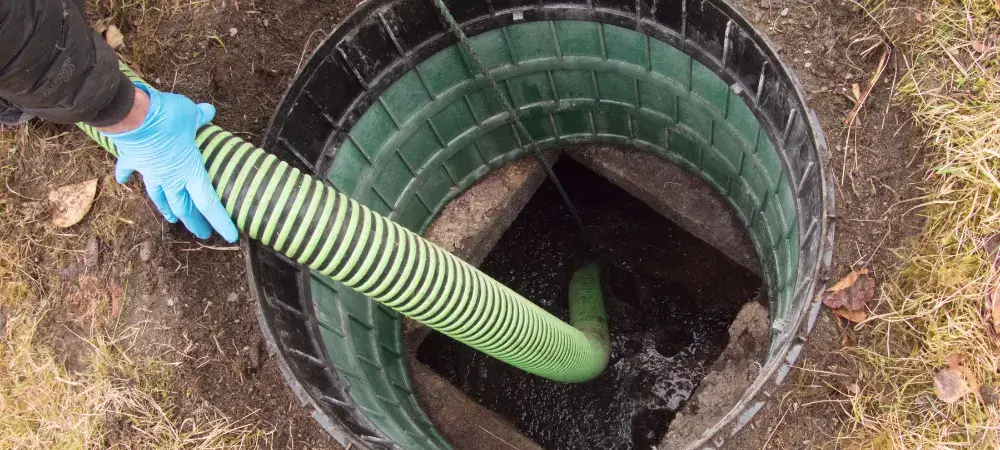
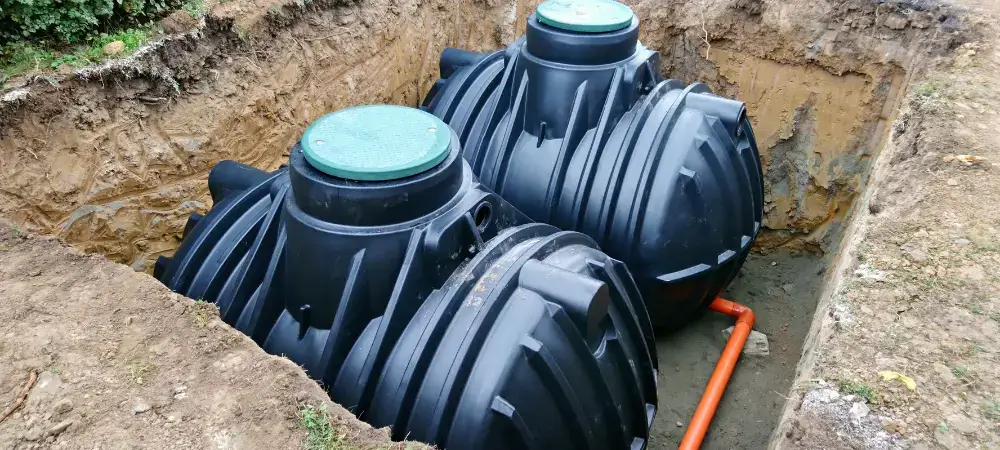
One of the main causes of sewage odors in your yard is a full or overloaded septic tank. When solids build up over time, the tank can no longer process wastewater efficiently, causing gases to escape through vents or even seep into the yard.
Another common issue is a clogged or broken drain line. Roots, grease, or debris can block the flow of wastewater, forcing it to back up and create unpleasant smells above ground. The leach field can also be a source of odors if it becomes saturated or compacted, preventing proper drainage and allowing untreated effluent to reach the surface.
In some cases, improper venting or a blocked vent stack on the roof can cause gases to escape near the yard instead of above the home. Regular inspections and timely pumping are key to preventing these problems.
Signs Your Septic System Needs Immediate Attention
Knowing the warning signs of a failing septic system can save you time, money, and headaches. One of the most common indicators is slow or gurgling drains in sinks, showers, or toilets, which often point to a clog or backup in the system.
You might also notice unusually wet or soft spots in your yard, especially near the septic tank or drain field, which can indicate that effluent is not properly draining. Foul odors, standing water, or lush, green patches of grass in an otherwise dry area are additional red flags that wastewater may be surfacing. In some cases, sewage can even back up into the home, posing health risks.
Catching these signs early allows you to schedule pumping, repairs, or inspections before more extensive damage occurs.
How a Failing Leach Field Can Affect Your Yard
The leach field is a critical part of your septic system, designed to safely disperse liquid waste into the soil. When a leach field fails, wastewater can no longer drain properly, leading to standing water, muddy patches, or foul odors in your yard.
Common causes of failure include soil compaction, excessive water use, or the buildup of solids that escape from an overfull septic tank. Tree roots and heavy equipment can also damage the pipes, reducing their ability to distribute effluent evenly. A failing leach field not only causes unpleasant smells but can also contaminate nearby soil and groundwater.
Regular inspections, proper water management, and timely tank pumping are essential to prevent leach field issues and keep your yard safe and odor-free.
DIY Checks vs. Professional Septic Inspection
Homeowners can perform a few simple checks to monitor their septic system, but some tasks should always be left to professionals.
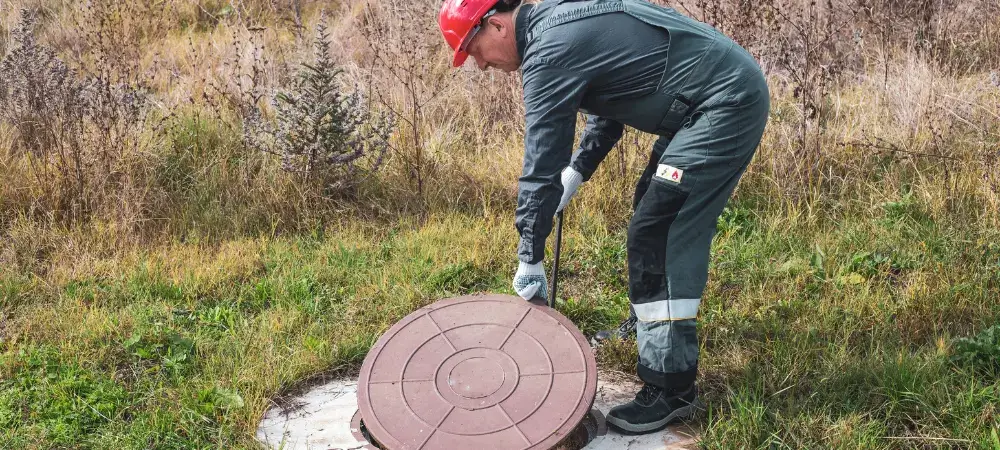
Start by observing your yard for wet spots, unusual odors, or overly green patches, which can signal drainage problems. You can also check your toilets and drains for slow drainage or gurgling sounds, and inspect your septic tank’s access cover for unusual bubbles or odors when opened. Avoid digging around the drain field or using harsh chemicals, as these can damage the system.
Professional septic inspections go further, using tools like video cameras to examine pipes, measuring sludge levels in the tank, and testing soil absorption in the leach field. Scheduling a professional inspection every 3 to 5 years, combined with routine DIY monitoring, helps catch problems early and keeps your system running efficiently.
Preventing Sewage Odors and Maintaining Your System
Preventing sewage odors starts with regular maintenance and mindful daily habits. Schedule routine pumping every 3 to 5 years to keep solids from building up in the tank. Limit excessive water use, such as running multiple appliances at once, to avoid overloading the system. Avoid flushing grease, coffee grounds, or harsh chemicals that can disrupt the natural bacteria needed for proper wastewater treatment. Protect your leach field by keeping heavy equipment and vehicles off it, and be mindful of landscaping near the drain field to prevent root intrusion.
By staying proactive with these steps, you can minimize odors, prevent costly repairs, and extend the life of your septic system. For reliable and professional service, consider septic tank pumping in Cape Coral FL to ensure your system stays safe and odor-free year-round.