
If you are a homeowner in Cape Coral, Florida, there is a good chance you have asked yourself this question at some point: do I have a septic tank or am I connected to the city sewer system? It might seem like a small detail, but knowing which wastewater system your home uses is critical for maintenance, budgeting, and avoiding costly surprises.
Septic systems and sewer systems work very differently, and each comes with its own responsibilities. Many homeowners only discover what they have after a backup, slow drains, or a strong odor appears. By understanding the difference ahead of time, you can protect your property, prevent emergencies, and make informed decisions about proper care.
In this guide, we will break down the differences in plain language so you can confidently identify your system and understand what it means for your home.
Why Knowing Your Wastewater System Matters as a Homeowner
Understanding which wastewater system your home uses is more than just a curiosity. It affects your day-to-day living, safety, and finances. Homes connected to a sewer system generally rely on the city for maintenance, but septic tank owners carry the responsibility of regular inspections and pumping. Neglecting a septic system can lead to backups, costly repairs, and even environmental contamination.
Knowing your system also helps when planning renovations or landscaping, because digging near a septic tank without a map can damage pipes or the drain field. Additionally, some insurance policies and real estate transactions require clear knowledge of your wastewater system.
By identifying whether your home has a septic tank or is on the municipal sewer, you can schedule proper maintenance, avoid surprises, and make smarter long-term decisions for your property. Being proactive is always better than reacting to a problem.
What Is a Septic Tank System and How Does It Work?
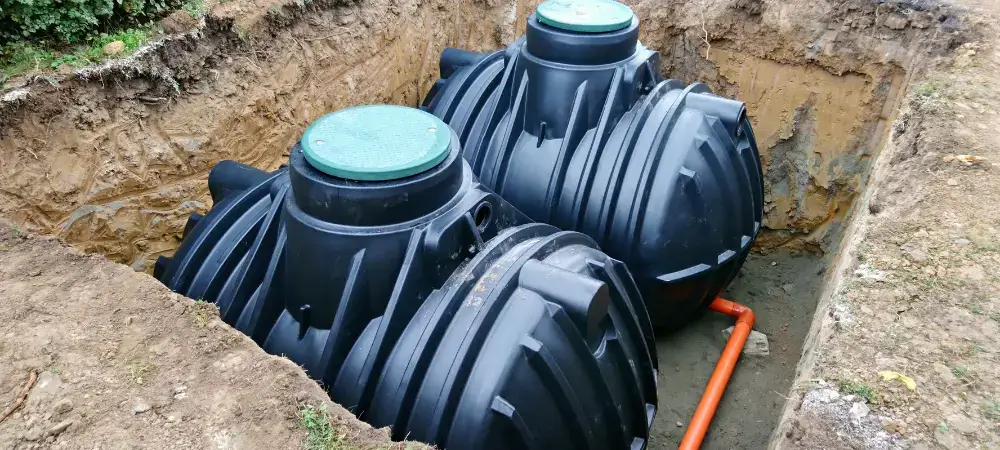
A septic tank system is a self-contained wastewater treatment solution commonly used in Cape Coral, especially in areas without municipal sewer connections. It is designed to safely process and dispose of household wastewater on your property.
Here’s how it works:
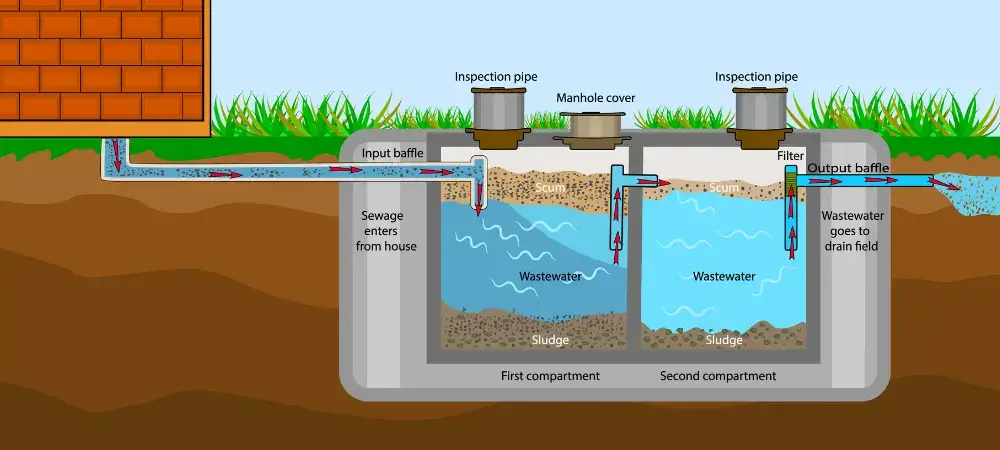
- Collection: All wastewater from toilets, sinks, showers, and appliances flows into the underground septic tank.
- Separation: Solids settle at the bottom forming sludge, while oils and grease float to the top as scum.
- Breakdown: Naturally occurring bacteria in the tank help break down some solids.
- Drainage: The partially treated liquid, called effluent, exits the tank into the drain field, where the soil naturally filters and treats it.
Understanding this process is key for homeowners. Proper care, like regular pumping every 3 to 5 years and avoiding harsh chemicals, ensures the system functions efficiently, prevents backups, and extends the lifespan of your septic tank.
What Is a Sewer System and How Is It Different?
A sewer system is a centralized wastewater solution that connects homes directly to the city’s treatment facilities. Unlike a septic tank, the responsibility for maintenance and treatment lies with the municipal authority rather than the homeowner.
Key features of a sewer system include:
- Centralized treatment: All wastewater is transported through underground pipes to a wastewater treatment plant.
- No on-site tank: Homes do not need a septic tank or drain field, reducing the risk of local backups caused by neglected tanks.
- Routine city maintenance: The city monitors and maintains the system, so homeowners rarely deal with inspections or pumping.
While sewer systems reduce individual maintenance responsibilities, homeowners should still avoid flushing non-biodegradable items or pouring harmful chemicals down drains, as these can cause blockages and impact the larger system.
Understanding this distinction helps homeowners make informed maintenance and usage decisions.
Key Differences Between Septic Tanks and Sewer Systems
Understanding the differences between septic tanks and sewer systems is essential for proper home maintenance and long-term planning. These systems may serve the same purpose, but how they operate and what they require is very different.
Major differences include:
- Ownership and responsibility: Septic tanks are the homeowner’s responsibility, requiring regular pumping and inspections. Sewer connections are maintained by the city.
- Maintenance frequency: A septic tank typically needs pumping every 3 to 5 years, while sewer systems rarely require homeowner intervention.
- System lifespan: Properly maintained septic tanks can last 20 to 40 years. Sewer connections last as long as the city’s infrastructure is intact.
- Environmental impact: Malfunctioning septic tanks can contaminate soil and groundwater. Sewer backups, though less common, can affect the wider municipal system.
Tip: Homeowners with septic tanks should map their drain field and avoid planting deep-rooted trees nearby, a precaution not needed for sewer-connected homes.
How to Tell If Your Home Has a Septic Tank or Sewer Connection
Identifying whether your home uses a septic tank or is connected to the city sewer system is easier than many homeowners think. Knowing this can help prevent unexpected repairs and guide proper maintenance.
Ways to determine your system:
- Check property records: Your closing documents or local property appraiser’s records often indicate if a septic system is present.
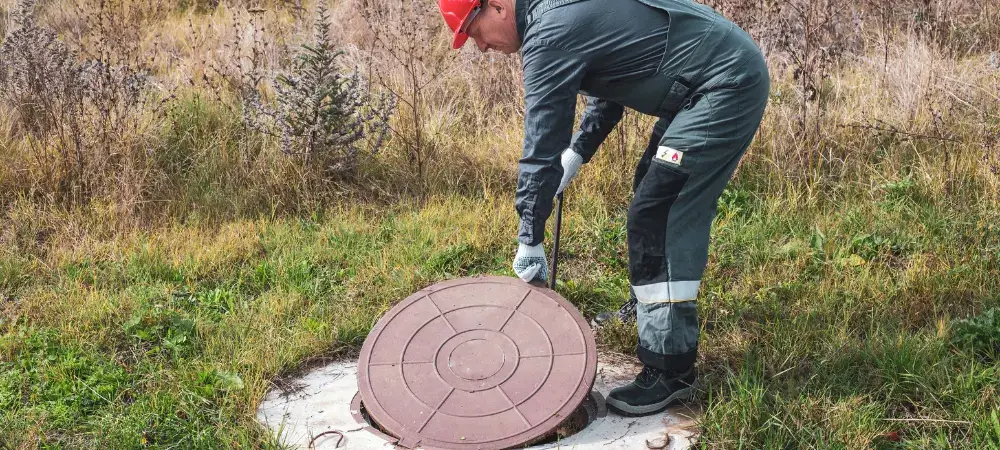
- Look for a septic tank lid or manhole: Septic tanks are typically buried in the yard, with lids or access points visible near the home.
- Observe the sewer line: Homes on city sewer usually have a cleanout pipe near the street or sidewalk.
- Ask your utility provider: Your water or sewer department can confirm if your home is connected to municipal sewage.
Tip: When inspecting for a septic tank, avoid walking or digging directly on the drain field. Mark the area to prevent accidental damage and maintain proper function.
Common Signs Your Home Uses a Septic System
Even if you are unsure whether your home has a septic tank, there are several signs that can give you a clear indication. Recognizing these early can help prevent costly repairs and system failures.
Common signs include:
- Slow drains or frequent clogs: Toilets, sinks, or showers draining slowly may indicate a full or failing septic tank.
- Lush, green patches in the yard: Overly healthy grass above the drain field can signal leaking effluent.
- Strong odors: Foul smells around the yard or near the septic tank access points often indicate improper treatment or backups.
- Sewage backups inside the home: This is a clear warning that your septic system needs immediate attention.
Tip: If you notice any of these signs, schedule a professional inspection promptly. Early intervention can save thousands of dollars and prevent environmental contamination.
Why Septic Systems Are Common in Cape Coral, Florida
Septic systems are widespread in Cape Coral due to the city’s geography, development patterns, and local regulations. Understanding why these systems are common helps homeowners better care for their property and avoid unexpected issues.
Reasons septic systems are prevalent in Cape Coral:
- High water table and sandy soil: Many areas cannot support traditional sewer lines easily, making on-site treatment more practical.
- Rapid suburban growth: Many neighborhoods were developed before municipal sewer infrastructure reached them.
- Cost efficiency for developers: Installing septic systems is often less expensive than extending city sewer lines, keeping housing prices lower.
- Local building codes: Certain zones require septic systems due to environmental and soil conditions.
Tip: Cape Coral homeowners should schedule regular inspections and pumping, especially during the rainy season, to prevent flooding or system overload. Proper planning and maintenance are crucial for long-term performance.
Maintenance Responsibilities: Septic Tank vs Sewer System
Maintenance responsibilities differ greatly between septic tanks and sewer connections, and understanding these differences helps homeowners avoid costly problems.
Septic tank responsibilities:
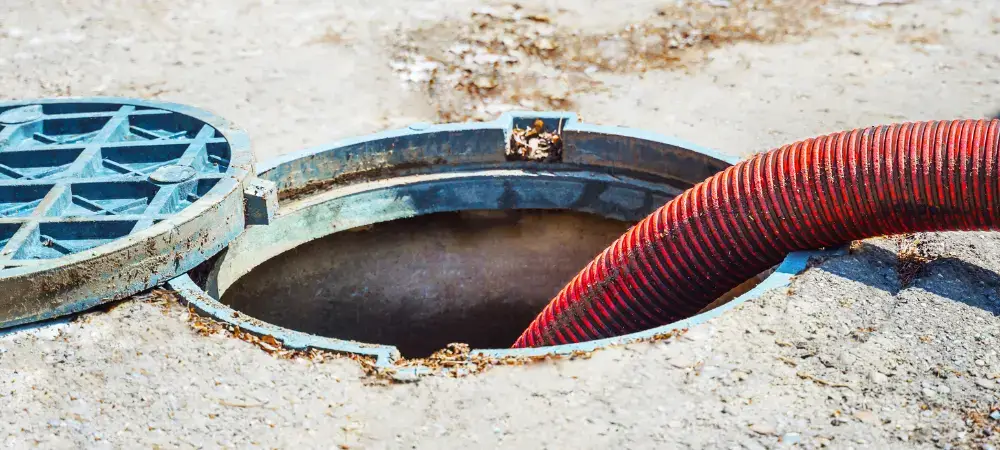
- Regular pumping: Typically every 3 to 5 years to prevent sludge buildup.
- Inspection of baffles and tank condition: Ensures proper flow and prevents leaks.
- Drain field care: Avoid parking, heavy landscaping, or planting deep-rooted trees on the drain field.
- Water usage management: Excess water can overload the system, leading to backups or failure.
Sewer system responsibilities:
- Minimal routine maintenance: The city handles treatment and pipe integrity.
- Responsible disposal habits: Avoid flushing grease, wipes, or harsh chemicals that can cause blockages.
Tip: Even with a sewer connection, homeowners should occasionally inspect cleanouts and monitor for slow drains. For septic tanks, keeping a simple maintenance log can extend the life of your system and save money over time.
What Happens If You Ignore Septic Maintenance?
Neglecting septic maintenance can lead to serious problems for your home, yard, and wallet. Many homeowners underestimate how quickly a poorly maintained system can fail.
Consequences of ignoring septic maintenance:
- System backups: Wastewater can overflow into your home or yard, causing unpleasant odors and health hazards.
- Drain field failure: Excess sludge or clogged pipes can damage the drain field, which is expensive to repair or replace.
- Environmental contamination: Untreated effluent can seep into the soil and nearby waterways, impacting groundwater and local ecosystems.
- Reduced property value: Homes with failing septic systems can be difficult to sell and may require costly inspections or repairs before closing.
Tip: Prevent these issues by keeping a regular maintenance schedule, monitoring water usage, and immediately addressing slow drains or foul odors. Early intervention is always more affordable than emergency repairs.
Who to Call If You Have a Septic Tank in Cape Coral
If you have a septic tank in Cape Coral, it is essential to work with a trusted local professional who understands the unique soil, water table, and weather conditions in the area. Choosing the right company ensures proper maintenance and septic tank pumping in Cape Coral, timely pumping, and peace of mind.
Tips for selecting a septic service provider:
- Check local experience: Look for companies familiar with Cape Coral’s septic systems and drainage patterns.
- Verify licenses and insurance: Ensure they are certified and insured to protect your property.
- Ask about emergency services: Quick response can prevent costly damage in case of backups.
- Request maintenance plans: Regular pumping and inspections keep your system efficient and extend its lifespan.
Working with a reliable local septic company protects your home and prevents costly repairs before they happen.